Mystery of Britain's 4,000-year-old ‘Devil's Arrows' finally solved
Devil's Arrows are thought to have been erected during the Late Neolithic or Early Bronze Age
Published September 09, 2026
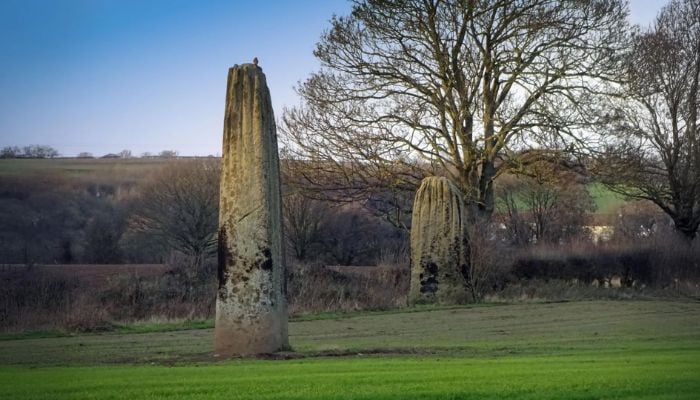
Scientists have finally solved a 4,000-year-old mystery surrounding three enormous stones in Yorkshire known as the “Devil’s Arrows.”
The stones, which weigh more than 25 tonnes each and stand as high as 23ft, were somehow transported at least 11 miles by prehistoric Britons before being erected near Boroughbridge.
For years, researchers were not certain exactly where they came from or whether glaciers rather than humans had carried the giant rocks closer to the site.
A new study has now traced them to Brimham Rocks in North Yorkshire.
Researchers used isotopic fingerprinting of tiny mineral grains taken from the stones and compared them with surrounding rock formations.
The result showed the Devil's Arrows came from Brimham Rocks, around 18km away, despite suitable stone being available much closer.
That also means prehistoric builders deliberately moved the massive stones across Yorkshire.
“Each stone weighs more than 25 tonnes, so moving them would have required incredible planning, coordination and engineering skill,” study author Dr Anthony Clarke said.
Exactly how they managed it remains unknown.
The Devil's Arrows are thought to have been erected during the Late Neolithic or Early Bronze Age, possibly around 2000 BC. The three surviving stones form Britain's tallest standing prehistoric stone row.
And scientists solved another mystery in the process.
Historical accounts suggested there was once at least a fourth stone, which disappeared centuries ago.
Mineral testing has now confirmed that part of the missing Devil's Arrow was reused to make the medieval Battle Cross in nearby Aldborough, meaning the lost stone had effectively been “hiding in plain sight.”