UK air traffic update: Fraud warning issued as scammers target stranded passengers
Third major outage in three years sparks calls for NATS boss to resign
Published September 09, 2026
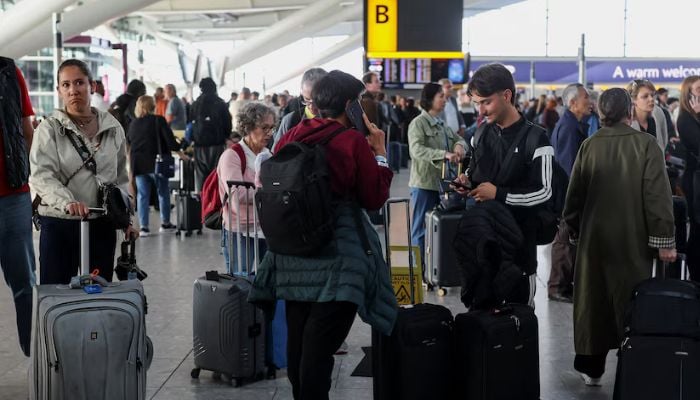
Thousands of passengers have been severely affected by the travel chaos this week as a technical glitch at NATS - the national air traffic control service - caused over 2,000 flight cancellations and delays across the country.
This marks the third major system failure in just over three years.
The disruption started on Tuesday, September 8, when a problem with NATS’ flight data processing system forced hundreds of flights to be grounded. Although the engineers identified and fixed the issue within hours, the knock-on effects continued into Wednesday, September 9, with 347 more cancellations.
Major airlines that were affected include British Airways, EasyJet, Loganair, and Ryanair. British Airways passengers reported multiple fraud scams targeting stranded customers.
Transport Minister Heidi Alexander called in NATS CEO Martin Rolfe for a meeting, saying that she does not believe that there was no way of avoiding those problems. She requested that the Civil Aviation Authority conduct an independent investigation into the situation.
Rolfe, who earns £1.5 million annually, is under great pressure from the public to resign from his position. Tim Alderslade, the Airlines UK CEO, addressed transport authorities, expressing his "serious concern" and saying that "failures like these simply cannot be allowed to happen again."
EasyJet CEO Kenton Kervil shared a similar sentiment and noted that "customers are again having to endure the inconvenience due to NATS' failings despite the assurances that lessons had been learned."
Nevertheless, the government, represented by Downing Street, remains confident in Rolfe, who has to conduct an internal investigation.
The passengers characterised the situation as "chaotic". A passenger, addressing The Independent, said that "the atmosphere in Heathrow Wetherspoons was like The Hunger Games". Other passengers complained about falling prey to fraudsters who pretended to be airline staff and offered them replacement flights.
While the situation is taking place, the Civil Aviation Bill, which is now being considered by Parliament, may grant stronger enforcement powers to protect passengers.