AI vs the writer
The line between what is true and what is exaggerated grows thinner with each passing day
Published June 15, 2026
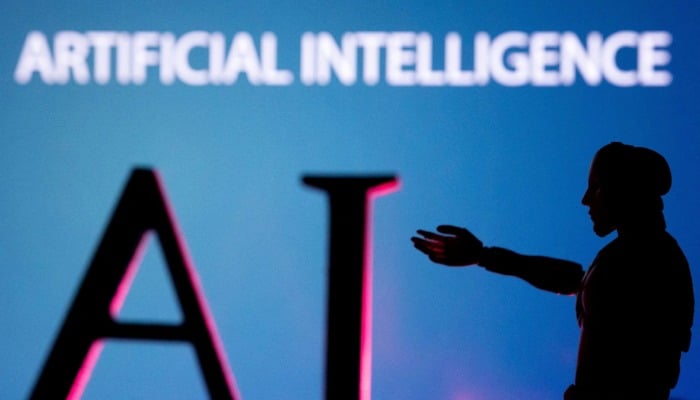
Artificial Intelligence has become a topic of heated debate. News headlines warn that AI is coming for our jobs and will overshadow our creativity. We often hear that an AI takeover will wipe out humanity or render us nonexistent. While some view AI as a threat, others see it as a miracle.
The truth remains somewhere in between, as the line between what is true and what is exaggerated grows thinner with each passing day.
As a writer with over two decades of experience, I have witnessed technological shifts that have changed how we communicate. I have saved files on Floppy Disks, which Gen Z may never have used. I was also among those who used a CD burner to copy large files. This device has also become obsolete.
I have witnessed writers’ transition from typewriters to computers, from libraries to search engines, and from printed manuscripts to cloud-based collaboration. Each innovation initially faced resistance, but the tools introduced only made tasks easier and more manageable.
The concerns we have about AI today are akin to the reaction and the response people had to automobiles, the Ford Model T, which was first introduced by Henry Ford in 1908. For years, horses were the primary mode of transportation. Then came the automobile that was faster and more efficient. It did not eliminate the need for human decision-making; it changed the way people travelled.
AI presents a similar shift for writers, authors, computer programmers and graphic designers. AI can generate ideas, summarise information, suggest headlines, improve grammar and even help structure a manuscript. These capabilities are impressive; however, they do not make AI a writer. AI should be viewed merely as a tool to facilitate thinking and decision-making. This could be hard to digest for writers reading this article.
A tool does not hold imagination, nor can it process thoughts. It does not have memories, emotions or lived experiences. It gathers input when humans enter their prompts, queries, or questions. Through millions of prompts, AI systems generate cultural understanding or opinions that may differ among users spread around the world pursuing varying perspectives, ideologies and experiences. However, an AI system cannot explore heartbreak or sadness, celebrate happiness or success, or define emotions or feelings as they are. These qualities pertain to humans and are reflected thoroughly in their writing.
Indeed, AI can make the writing process efficient. It can help authors overcome writer’s block, explore alternative perspectives, refine drafts, and identify weaknesses in their literary work. When used wisely, AI functions like a research assistant or an editor. The danger for writers is not AI, but how they use it. It will be unethical if writers use the responses made by AI without any editing. The responses are merely AI’s suggestion to the response, which should be edited, rewritten and analysed thoroughly.
When kneeling to AI, risk writers risk surrendering their creativity, logic, research and thoughts to it. Creativity fades when ease is substituted by critical thinking and originality ceases to exist when automation overshadows curiosity. AI will only surpass human creativity when we give it permission to do so and when we do not pursue critical thinking.
To succeed in this era of AI, writers and authors need to strike a balance among their opinions, perspectives and experiences, blending them with AI-generated responses. It is imperative to use AI strategically to help you refine your work without losing your voice or surrendering to technology.
The writer is a freelance contributor.
Originally published in The News