UK hints at visa restrictions as Pakistan rejects responsibility for Rochdale rapist
FO says Islamabad could not be associated with decisions concerning Shabir Ahmed’s release under British law
Published July 16, 2026
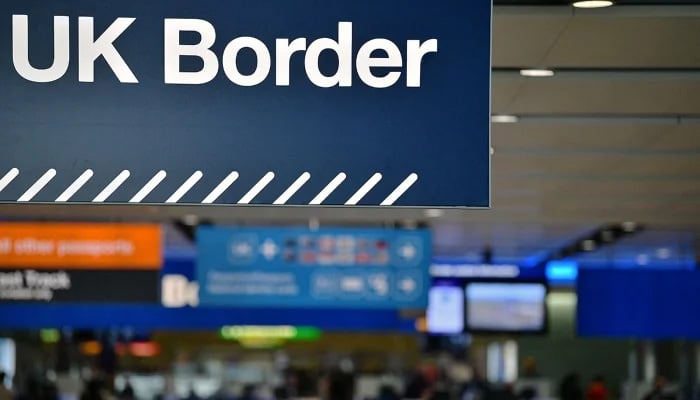
- UK presses Pakistan to accept convicted Shabir Ahmed's return.
- Pakistan says Ahmed case remains Britain's responsibility.
- Islamabad rejects any link to Ahmed's crimes and release.
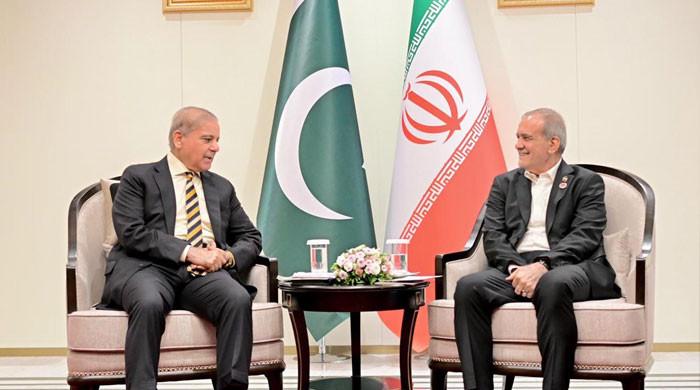
LONDON/ISLAMABAD: Britain has raised the prospect of imposing visa restrictions on Pakistan in an escalating diplomatic dispute over the proposed deportation of Shabir Ahmed, the convicted ringleader of the Rochdale grooming gang, as Islamabad declared that the case was entirely Britain’s responsibility and had nothing to do with Pakistan.
Foreign Secretary Yvette Cooper told the House of Commons Foreign Affairs Committee that the Labour Government was prepared to examine "all possible levers" to force countries to accept the return of offenders whom Britain wants to deport.
Responding to questions about Ahmed, Cooper said the British government had repeatedly raised his case with Pakistan and would continue doing so.
"This individual should not be in the United Kingdom. He should be deported," Cooper told the committee, strongly backing Home Secretary Shabana Mahmood's efforts to change the law to facilitate his removal.
Asked specifically whether Pakistan could face visa sanctions for refusing to accept Ahmed, Cooper stopped short of announcing immediate measures but confirmed that visa restrictions remained among the options available to the government.
She said previous measures involving visas had reduced immigration-system abuse involving certain countries and helped Britain secure additional agreements for the return of foreign criminals and failed asylum seekers.
Cooper said she could not disclose details of confidential negotiations with individual governments, but confirmed that "all possible levers should be looked at" to ensure that Britain's immigration rules could be enforced.
Cooper told MPs that Ahmed was not the only case under discussion and that the government was seeking the return of a small number of other offenders whom it believes should be removed to Pakistan.
British ministers have pointed to the cases of the Democratic Republic of Congo, Namibia and Angola, which agreed to cooperate with returns after the UK threatened visa penalties.
The foreign secretary's comments have now been followed by Pakistan's first formal public response to the controversy.
Pakistan's Foreign Office Spokesperson Tahir Andrabi strongly condemned child sexual abuse but rejected any attempt to associate the Pakistani government with Ahmed or the decisions surrounding his imprisonment and release.
Andrabi said perpetrators of child sexual abuse must be investigated, prosecuted and punished to the fullest extent of the law, irrespective of their race, ethnicity or religion.
He maintained that Ahmed had spent his adult life in Britain, committed his crimes on British soil and was convicted by a British court. Pakistan therefore regarded the controversy as an internal British matter.
"The Government of Pakistan has no connection whatsoever with this matter," Andrabi said, adding that Islamabad could not be associated with decisions concerning Ahmed's release or his treatment under British law.
The FO spokesperson said that, regardless of Ahmed's country of birth, responsibility rested with the society in which he had grown up, been raised and, in the spokesperson's words, had been "spoiled".
He said Ahmed’s crimes required serious introspection in Britain rather than an attempt to search for responsibility outside the country.
Britain maintains that Ahmed should be removed from the country after being deprived of his British citizenship. Pakistan, however, has publicly described him as a British national and insists that decisions concerning his legal status remain the responsibility of British authorities.
Ahmed, 73, was jailed in 2012 after being convicted of rape and multiple sexual offences involving vulnerable girls in Rochdale. He was sentenced to 22 years and released earlier this month after serving 14 years.
At the time of his offences, Ahmed held British citizenship. He was later deprived of that citizenship, but his deportation has been blocked by section 7 of the Immigration Act 1971. He revoked his Pakistani identity before he was convicted around 14 years ago.
Home Secretary Mahmood has announced plans to amend the law so that the protection can be removed from people convicted of serious offences, including child sexual exploitation, human trafficking and crimes presenting a threat to national security.
However, changing British law would remove only one obstacle. The government would still require another country to recognise Ahmed as its national and accept his return.