Karachi matric board announces SSC Part-II Science Group results
141,688 candidates declared successful, taking passing percentage to 80.87%, say officials
Published July 10, 2026
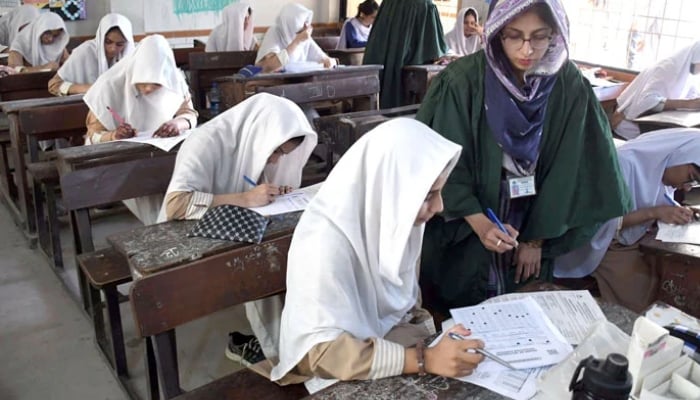
- 176,152 students registered for exams: officials.
- A total of 175,200 appeared in papers: officials.
- 35,529 successful candidates secure A1 grade.
The Board of Secondary Education Karachi (BSEK) on Friday announced the Class-10 Science Group results, with 80.87% of candidates successfully passing the annual examinations.
According to board officials, a total of 176,152 students were registered for the examinations, while 175,200 appeared in the papers.
The board said 141,688 candidates were declared successful, while 29,655 failed the examinations, taking the overall pass percentage to 80.87%.
Among the successful candidates, 35,529 secured the A1 grade, while 51,022 obtained an A grade.
A further 34,910 students achieved a B grade, and 17,153 obtained C grade, according to board officials.
The BSEK examinations were engulfed in controversy amid widespread allegations of bribery, paper leaks, and serious administrative lapses.
In May, a probe report confirmed major irregularities in the examinations, including the shifting of more than 170 examination centres.
Sources said that issues like systemic mismanagement and the change of examination centres during the exams had come to light during the examination period.
Students who had appeared for multiple papers at one centre were later informed through official letters that their centres had been relocated.
Security lapses were also reported, with at least two incidents of students allegedly bringing daggers into examination centres, while basic arrangements at centres were described as inadequate, with broken fans, load shedding and poor facilities.
In some cases, students were reportedly assigned centres far from their schools, while allegations also emerged of "home centres" being created within schools in violation of rules.